TMJ, Jaw Pain & Teeth Grinding Treatment |
Custom Dental Splints

Custom Dental Splints for Teeth Grinding, Jaw Pain & Headaches

Precision-designed splints following a comprehensive jaw, bite and symptom assessment at our Melbourne TMJ clinic.

Located in Caulfield North • Evidence-based, diagnosis-first approach
image

Custom Dental Splints For Teeth Grinding, Jaw Pain and Headaches

Click red dot areas to reveal common symptoms we can help with

Click red dot areas to reveal common symptoms we can help with

  • Headaches,
  • Light headedness
  • Brain fog

  • Snoring or sleep apnoea
  • Waking gasping or choking at night
  • Waking feeling fatigued

  • Teeth clenching or grinding
  • Bite feels 'off'
  • Jaw can't rest comfortably
  • Pain or fatigue chewing

  • Jaw or face pain
  • Jaw stiffness or locking
  • Jaw clicking

  • Earache
  • Ear fullness
  • Ear ringing / tinnitus

Who this is for?

You may benefit if you have:

  • Teeth grinding and clenching (especially at night)
  • Jaw pain, tightness or clicking
  • Morning headache or facial soreness
  • Worn, cracked or sensitive teeth
  • Snoring and sleep apnoea

Also suitable if:

  • A previous splint didn’t help – or made thing worse
  • Your symptoms keep coming back
  • You want a clear diagnosis before starting treatment

Custom splints, designed for your jaw

Not all splints are the same.

A properly designed splint is based on how your jaw joints, muscles, and bite function together — not just your teeth alone. Consideration is also given to your airway.

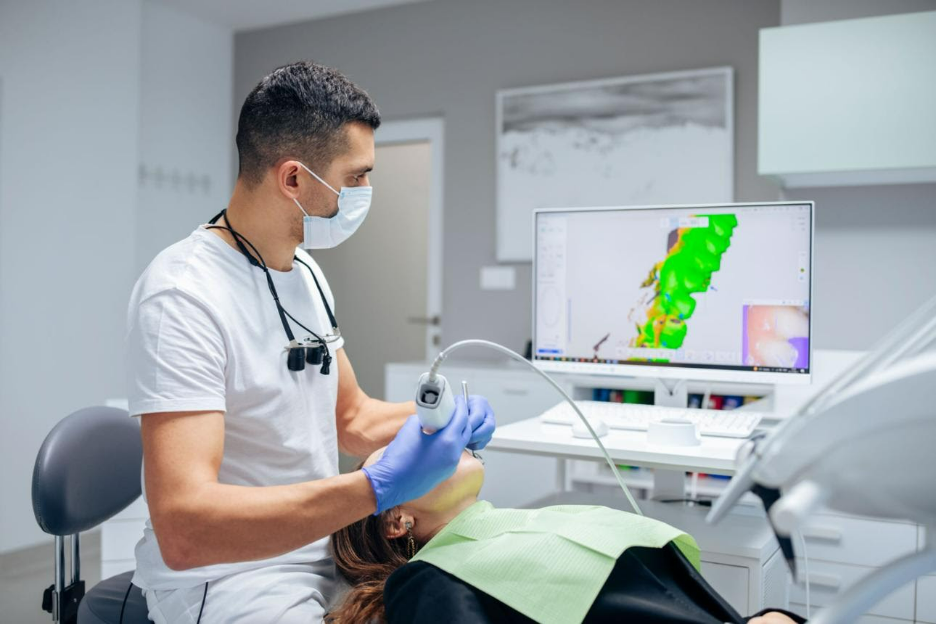
At your consultation, we assess your symptoms and jaw function before recommending any treatment. If a splint is appropriate, it’s designed specifically for you using digital 3D scanning for accuracy and comfort.

This approach aims to reduce strain on the jaw, protect your teeth, and support more stable function over time. In some case splint are also used to help maintain in better airway patency which is how they help treat snoring and mid to moderate sleep apnoea.

What Happens at Your First Visit?

We focus on understanding why your symptoms are happening — not just prescribing a splint.

  • Detailed history and symptom review
  • Jaw, bite, and muscle assessment
  • 3D digital scan (no impressions)

If a splint is appropriate, it’s custom-designed for your jaw and bite.
If not, we’ll guide you to the most suitable next step.

Understanding jaw pain and teeth grinding

Jaw pain and teeth grinding (bruxism) are often multifactorial — meaning there isn’t always a single cause.

Common contributing factors may include:

  • Muscle overactivity (clenching or grinding)
  • Bite and jaw alignment patterns
  • Stress and tension
  • Sleep quality and breathing patterns
  • Previous dental work or trauma

Because of this, effective treatment starts with a clear diagnosis.

A splint can be helpful in some cases — particularly for protecting teeth and reducing strain — but it is not always the first or only solution.

That’s why we take a structured, assessment-led approach before recommending any treatment.

Why a tailored approach matters

Different types of splints serve different purposes.

The design, fit, and how they interact with your bite can influence outcomes significantly.

A poorly designed or inappropriate splint may not improve symptoms — and in some cases, can make them worse.

A considered, clinical approach

Our focus is on careful assessment and appropriate treatment planning — not one-size-fits-all solutions.

We’ll explain your options clearly and only recommend treatment when it’s likely to be beneficial.

When a splint may not be appropriate

Splints can be effective — but only when used for the right reason.

We may not recommend one if:

  • Your symptoms are better managed with another approach first
  • The jaw joint requires a different phase of care
  • A different treatment is more likely to give a better result

Had a splint before that didn’t work?

That often comes down to design or diagnosis — not whether a splint can help.

Don’t Put It Off – Get Started Today

Find out what’s causing your symptoms and whether a custom splint is appropriate for you.